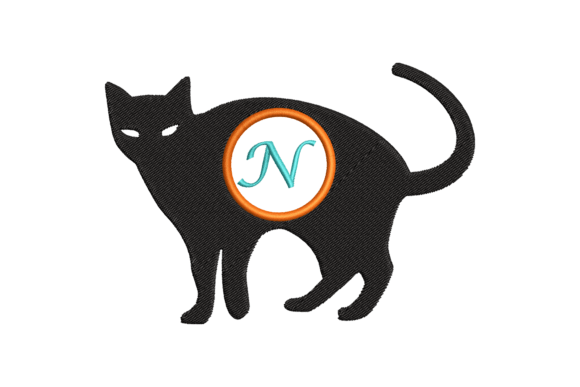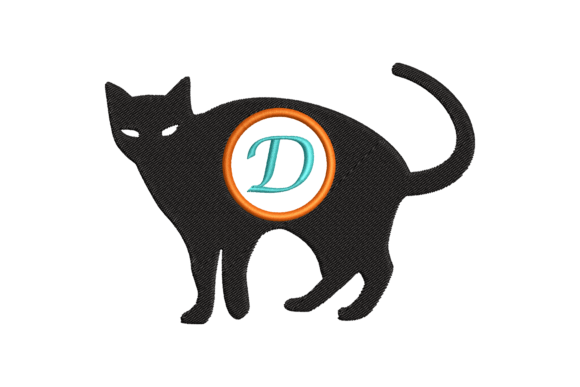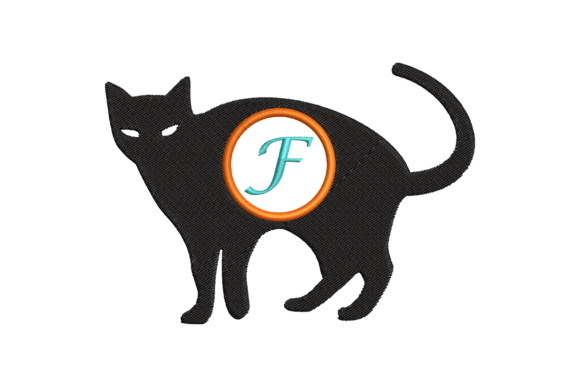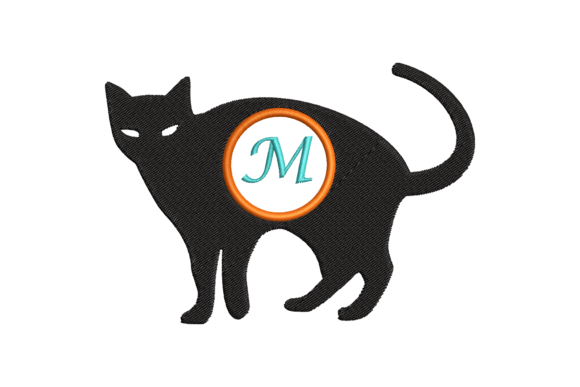
Black Cat Number 3: A Charming Embroidery Design for Meaningful Gifts
First Impressions: Sweet, Sophisticated, and Full of Personality
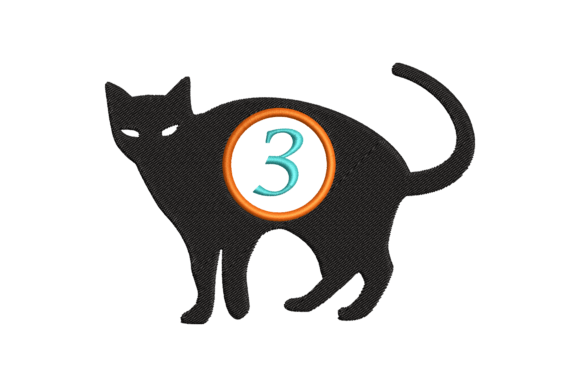
As an embroidery designer who’s tested hundreds of machine embroidery designs for baby products, wedding keepsakes, and personalized home goods, Black Cat Number 3 immediately stood out—not for flashiness, but for quiet confidence. It’s sweet without being saccharine, elegant without stiffness, and playful without sacrificing craftsmanship. The cat’s pose—curled gently around the numeral “3”—feels intentional, almost tender. This isn’t just a graphic; it’s a tiny story stitched in thread. Customers drawn to handmade quality will recognize that warmth instantly. It leans classic with modern clean lines, making it equally at home on a linen baby blanket as on a cotton apron for a bridal shower gift.
Where Black Cat Number 3 Truly Shines
This design excels where emotional resonance meets practicality. Here’s how it performs across key use cases:
- Baby embroidery: Perfect for onesies (on stable knit blends), burp cloths, and organic cotton swaddle blankets—especially when paired with soft pastel thread colors. Its compact scale avoids overwhelming delicate baby items.
- Wedding gift: Stitched onto a monogrammed kitchen towel or linen pillow cover, Black Cat Number 3 adds whimsy to heirloom-style gifts—ideal for couples who love cats or celebrate their third anniversary (“wood” year, subtly echoed by the design’s organic flow).
- Nursery decor: Works beautifully on framed hoop art, wall hangings, or quilt blocks. Its balanced composition ensures readability even at smaller sizes (e.g., 3.5–4 inches wide).
- Personalized tote bags & aprons: Holds up well on medium-weight canvas and denim. The bold outline and thoughtful negative space prevent visual clutter amid busy prints or textures.
- Etsy seller & craft fair appeal: Stands out in listings because it’s distinctive yet broadly relatable—cat lovers, numerology enthusiasts, and minimalist design fans all pause to look. Pair it with a printable mockup showing three fabric options (ivory linen, charcoal cotton, sage terrycloth) to boost buyer confidence.
Where to Use Black Cat Number 3 Thoughtfully
Like any strong design, Black Cat Number 3 rewards intentionality. Avoid using it in these contexts without testing first:
- Stretchy baby clothes (e.g., ribbed knits): High stitch density near curves can pucker unless stabilized with cutaway + topping. Not ideal for unlined bodysuits.
- Thick terry cloth towels: May require reduced density or adjusted underlay—test on scrap to avoid thread breakage or sinking stitches.
- Dark fabrics with light thread: The fine whisker details may soften visually. Consider slightly heavier satin stitch or a subtle shadow fill if clarity is critical.
- Curved surfaces (e.g., mugs with fabric sleeves, contoured pillow forms): Hoop placement matters—center the design over flat seams whenever possible.
- Products needing frequent washing: Recommend high-quality polyester thread and secure backing. Always check finished product durability after 3+ wash/dry cycles.
How Black Cat Number 3 Elevates Your Handmade Product
This isn’t just another embroidery file—it’s a trust-builder. When customers see Black Cat Number 3 on your Etsy listing or boutique shelf, they subconsciously register care: careful digitizing, balanced tension, and attention to proportion. That perception lifts perceived value, especially for premium-priced items like custom baby blankets or wedding towels. Photographing it on textured natural fabrics (linen, unbleached cotton) enhances authenticity—and shoppers linger longer when stitching looks rich, not flat. For small shop owners, that extra dwell time often converts to sales. Plus, its neutral charm invites personalization: add a name in a simple script below the cat, or pair with coordinating floral motifs for seasonal collections.
Essential Embroidery Notes Before You Stitch
Before committing to customer orders, run these checks:
- Test on scrap fabric matching your intended product—same weight, weave, and pre-wash status.
- Confirm thread color contrast against both light and dark fabric swatches. Subtle gray-blues or warm charcoals often outperform stark black on deep backgrounds.
- Verify hoop size compatibility—does it fit comfortably in your standard 4x4 or 5x7 hoop? If border elements run close to edges, adjust placement digitally before stitching.
- Review stitch density: Is it optimized for medium-weight cotton? Overly dense fills may cause stiffness on baby blankets; overly sparse outlines may lack definition on towels.
- Use appropriate stabilizer: Tear-away for stable wovens, cutaway for knits or stretchy blends, and water-soluble topping for nap-heavy fabrics like terry.
- Compare light/dark fabric mockups—not just digitally, but stitched. Detail retention varies more than previews suggest.
- Inspect small details post-stitch: Whiskers, paw pads, and the curve of the “3” should read clearly—not fuzzy or broken.
- Confirm commercial licensing before selling finished products. If license terms aren’t clear in your purchase receipt or vendor page, contact the designer directly. Never assume rights for resale.
A Design That Grows With Your Business
Black Cat Number 3 is more than a Babies category embroidery—it’s a versatile anchor for storytelling. Whether you’re designing a birth announcement bundle, curating a wedding gift box, or launching a limited-run cat-themed nursery line, this design adapts gracefully. Its quiet elegance reassures customers they’re choosing something special, not mass-produced. And for you—the maker, seller, or small business owner—it’s a reliable, photogenic, emotionally resonant asset that earns repeat use across seasons and celebrations. Just remember: let it breathe on fabric, test with intention, and always stitch with the same care your customers imagine went into their personalized gift.