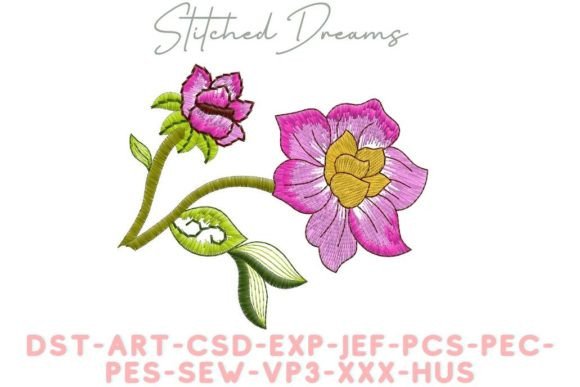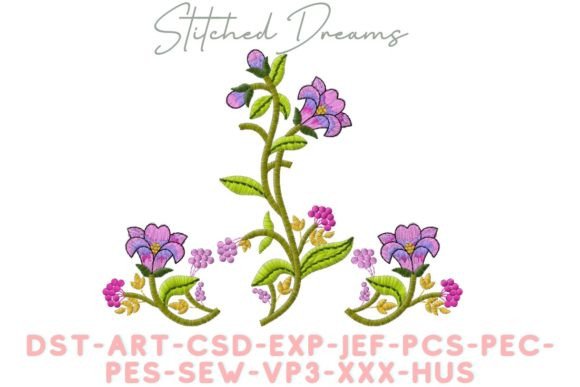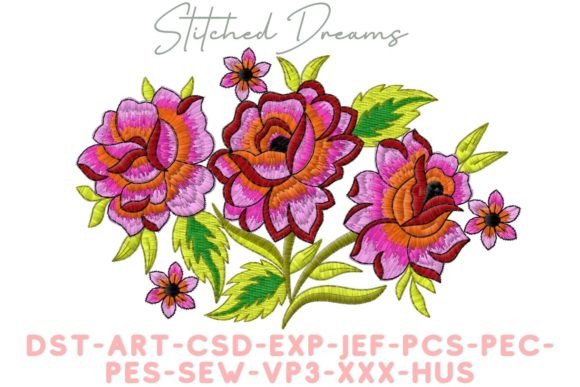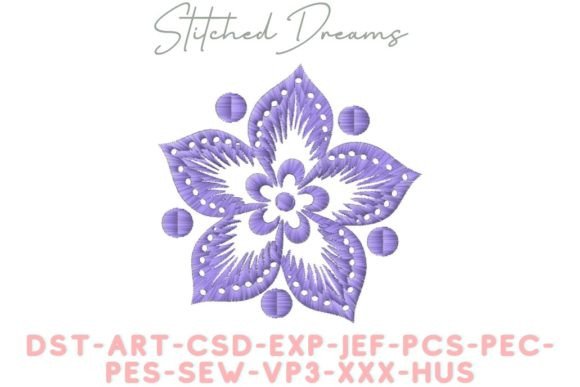
Enchanted Garden
First Impression: Elegant, Whimsical, and Instantly Recognizable
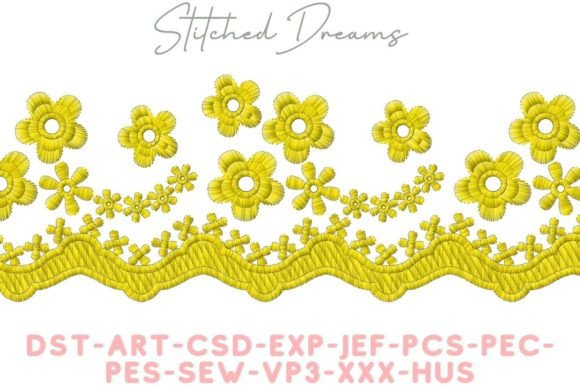
As an embroidery designer who’s prepped over 200 craft fair booths—and shipped thousands of embroidered tote bags, aprons, and tea towels—I opened Enchanted Garden expecting charm. What I got was more: a cohesive, balanced machine embroidery design that reads as both timeless and fresh. The title alone signals soft elegance—not rustic, not cartoonish, not overly modern. It’s the kind of embroidery file that makes customers pause mid-aisle at a handmade market, drawn in by its quiet confidence. No loud slogans or novelty shapes—just botanical harmony. That’s rare, and it sells.
Where Enchanted Garden Shines on Craft Fair Products
This design isn’t one-note. Its strength lies in versatility across product types—especially when scaled intentionally. Here’s how it performs where it matters most:
- Tote bag design: As a large focal piece on the front panel (10–12" wide), Enchanted Garden elevates an ordinary canvas tote into a premium handmade product. The border motif wraps beautifully around curved edges, and the floral balance avoids top-heaviness.
- Apron embroidery: Centered above the pocket or subtly along the waistband, it adds artisanal warmth without overwhelming the garment. Works especially well on linen-cotton blends—fabric texture enhances, rather than fights, the stitch definition.
- Tea towel embroidery: A smaller version (4–6") shines on the corner or lower third of a flour-sack towel. Customers love this for giftable handmade items—it feels intentional, not tacked-on.
- Embroidered patch: Cleanly digitized borders mean crisp edges even at 2.5". Ideal for iron-on or sew-on patches on denim jackets, market bags, or kids’ backpacks—great for Etsy sellers bundling small shop products.
- Pillow cover & fabric pouch: The symmetrical flow translates beautifully to square and rectangular formats. On linen pillow covers, Enchanted Garden reads as boutique-quality—not crafty, but curated.
What Makes It Sell—Beyond the Stitch
At a craft fair, attention spans are short and booth traffic is fierce. Enchanted Garden wins because it’s instantly legible at 6 feet: no tiny lettering, no ambiguous shapes, no visual noise. It photographs exceptionally well for Etsy listings—soft shadows, natural light, and minimal background let the embroidery file breathe. That means your printable mockup converts faster, and your real-life booth samples draw consistent engagement. Buyers describe it as “calm but special”—a phrase I’ve heard three times from customers holding our embroidered tea towels.
Design Assets That Support Your Brand
This isn’t just decoration—it’s brand reinforcement. Whether you’re a small shop owner curating a cohesive line or an Etsy seller building repeat buyers, Enchanted Garden supports consistency. Use it across categories (Clothing, home goods, accessories) without diluting your aesthetic. It pairs effortlessly with neutral thread colors—ecru on oat linen, sage on charcoal cotton, dusty rose on ivory canvas—so your finished product feels intentional, not improvised.
Careful-Use Notes Every Embroidery Designer Should Know
Even elegant designs have limits. Before batch production, test these carefully:
- Dense stitch areas: Some floral clusters may run high stitch density. On thick fabrics (like duck canvas for market bags) or textured towels, use cutaway + tear-away stabilizer combo—don’t skip it.
- Small details on curved surfaces: Avoid placing the full border on low-profile caps. Instead, extract one vine motif for clean placement above the visor.
- Dark fabric contrast: If using navy, charcoal, or black base fabric, confirm thread colors provide enough pop. Light gold or antique white works better than stark white for depth.
- Clarity at small scale: Below 3", delicate petals and stems begin to blur. Reserve sub-3" versions strictly for patches or lining accents—not primary branding.
Production Realities: Speed, Consistency, and Confidence
For commercial embroidery or weekend craft fair prep, Enchanted Garden delivers reliability. The layout is intuitive—no nested elements or confusing layering. You’ll recognize seam allowances, center points, and alignment guides at a glance. That saves time during hooping, especially when running 30+ tote bags in a single session. And yes—it repeats cleanly. You can confidently offer matching apron + tea towel + pouch sets without worrying about mismatched proportions or awkward spacing.
Essential Embroidery Designer Checks Before Cutting Fabric
Before your first production run, do these six things:
- Test the digital embroidery file on scrap fabric matching your final product’s weight and weave.
- Verify thread contrast—especially if selling online where color accuracy varies across screens.
- Review spacing between motifs; tight borders should clear seam lines by at least ⅛".
- Confirm hoop size compatibility—some border variations may require 5x7" or larger.
- Inspect stitch density in petal clusters—adjust underlay if needed for stability on stretchy knits.
- Create at least one real mockup (not just a printable mockup) to assess drape, texture, and perceived value in person.
Lastly—always confirm commercial licensing terms before selling finished products. While Enchanted Garden Delights is described as a digital embroidery design for creative use, verify whether it permits resale of physical goods, especially for Etsy sellers or boutique makers scaling beyond personal use.
Final Thought: This Is Booth-Ready Design
In my 12 years designing for handmade markets, I’ve seen dozens of “garden” themes come and go. Most fade after one season. Enchanted Garden is different—it’s built for longevity, clarity, and quiet impact. It doesn’t shout. It invites. And in a sea of bold fonts and trendy icons at your next craft fair, that kind of thoughtful presence? That’s what turns browsers into buyers, and buyers into loyal fans.