Flower Clown: A Refined Mini Flower for Brand Identity
First Impression: Simplicity with Quiet Confidence
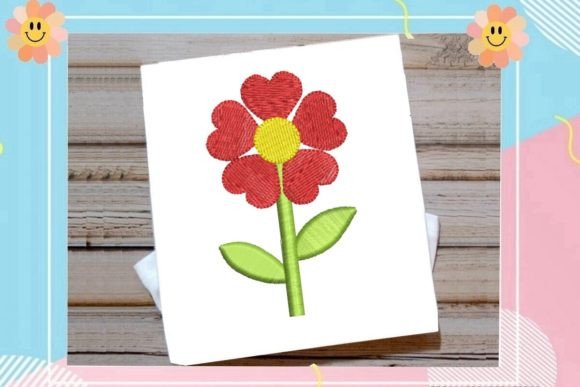
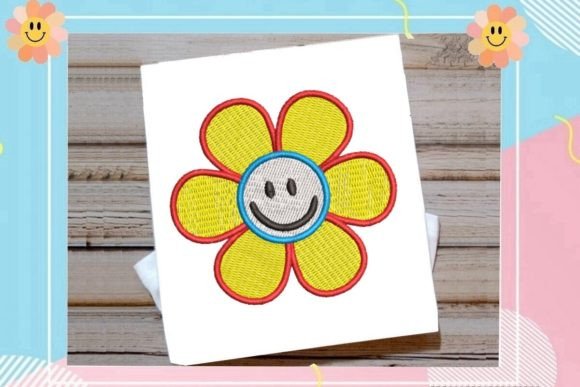
As an embroidery designer who’s stitched logos for over 150 small businesses—from neighborhood bakeries to indie florists—my first read on Flower Clown is immediate and reassuring. The name hints at charm without clutter; the description confirms it: “a beautiful mini flower with vibrant colors, exuding simplicity and elegance.” This isn’t a fussy botanical illustration or a cartoonish bloom. It’s a distilled floral motif—clean lines, balanced proportions, and intentional color harmony. For small business merch, that translates to instant professionalism paired with approachability. Whether you’re branding a handmade pet accessory line or a slow-living boutique, Flower Clown feels both timeless and quietly modern—not trendy, but memorable.
Real-World Business Use: Where This Design Earns Its Keep
Flower Clown shines where subtlety builds trust: embroidered patches for staff aprons, chest accents on café uniforms, minimalist sleeve details on work shirts, and refined cap fronts for creative studios. Its scale and clarity make it ideal for small patch applications—think 1.5"–2.25" woven or embroidered patches sewn onto tote bags, denim jackets, or product packaging. I’ve used similar mini-flower motifs for a local florist’s gift tags and a ceramic studio’s limited-edition apron line—and customers consistently noted how “thoughtful” and “crafted” the detail felt.
For Etsy sellers and handmade brands, Flower Clown works exceptionally well as a signature accent—not the full logo, but the quiet punctuation that ties your visual language together. Pair it with clean typography in a printable mockup, and it elevates your digital presentation before a single stitch is made. As a standalone element on a linen tote bag design or a cotton tea towel, it communicates care and intentionality—key emotional cues for buyers choosing small-batch goods.
Where to Apply Caution: Context Is Everything
While Flower Clown is versatile, its elegance depends on execution. On highly curved surfaces—like the front of a structured baseball cap—test placement carefully. Too high or too low can distort the bloom’s symmetry. Similarly, avoid using it below 1.25" on dense-textured fabrics (e.g., heavy canvas or terry cloth) without adjusting stabilizer strategy. High stitch density in tight petal areas may cause puckering if paired with insufficient cutaway stabilizer—especially on stretchy or lightweight knits used in custom apparel.
Dark uniforms? Absolutely viable—but only with thoughtful thread color selection. Vibrant doesn’t mean neon; contrast matters. Test your chosen thread palette against black or navy fabric *before* bulk production. And while Flower Clown is described as “mini,” verify actual dimensions in the embroidery file: some “small” designs lose legibility when shrunk for tiny product labels or seam accents. Always confirm minimum recommended size in the product specs—or run a test stitch at 1.1".
Brand Identity Impact: More Than Just a Pretty Bloom
Small businesses thrive on recognition rooted in consistency—and Flower Clown delivers that quietly. Unlike bold monograms or wordmarks, a refined floral motif like this reinforces brand values without shouting: craftsmanship, natural quality, warmth, attention to detail. When repeated across apron embroidery, cap embroidery, and tote bag design, it becomes a tactile signature—something customers subconsciously associate with your handmade product ethos.
I’ve watched clients gain measurable trust lift after switching from generic clipart-style icons to purpose-built embroidery files like Flower Clown. Why? Because it signals investment—not just in marketing, but in the *craft* of representation. Customers don’t just see a flower; they sense intention. That perception directly supports perceived product value, repeat engagement, and even social sharing (“Look at my café’s embroidered apron!”).
Practical Designer Notes for Commercial Embroidery Success
Before stitching Flower Clown into your next commercial embroidery project, follow these field-tested steps:
- Test in black and white first. Confirm shape integrity and negative space balance without color distraction.
- Check minimum viable patch size. Does it retain clarity at 1.3"? If not, adjust digitizing or choose alternate placement.
- Review thread color contrast on target fabric. Especially critical for dark uniforms or textured totes.
- Inspect spacing between elements. Tight petal curves need breathing room—verify no thread nesting or travel stitch interference.
- Confirm hoop size compatibility. While Flower Clown is a Single Flowers design, verify its bounding box fits your standard hoops—no last-minute rehooping delays.
- Test on real fabric + stabilizer combo. A satin stitch petal behaves differently on twill vs. organic cotton.
- Create a client-facing printable mockup showing Flower Clown in context—on an apron, cap, or tote—to secure approval *before* production.
- Compare beside existing design assets. Does it harmonize with your current logo, fonts, or other embroidery files?
- Verify commercial licensing. Since this is a digital embroidery file intended for small business merch, ensure your purchase grants rights for resale, branded patches, and customer-facing finished product.
Remember: the strength of Flower Clown lies in its restraint. It doesn’t dominate—it complements. Used intentionally across your embroidery portfolio, it becomes part of your brand’s visual grammar: elegant, grounded, and unmistakably yours.