Sea Turtle 6: A Thoughtful Embroidery Design Review
First Impressions: Grace, Not Gimmick
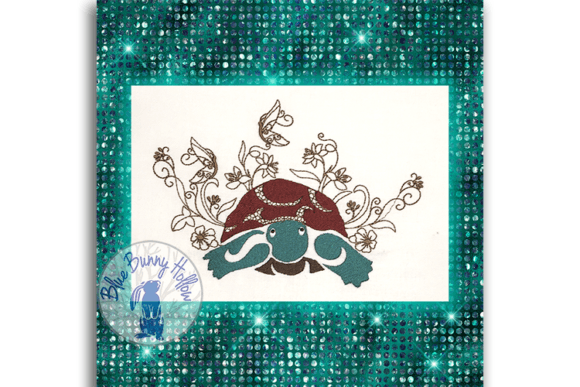
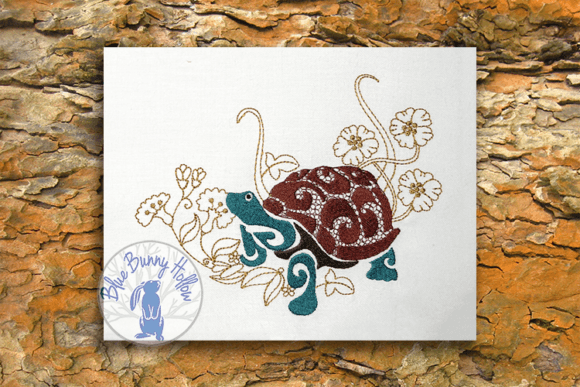
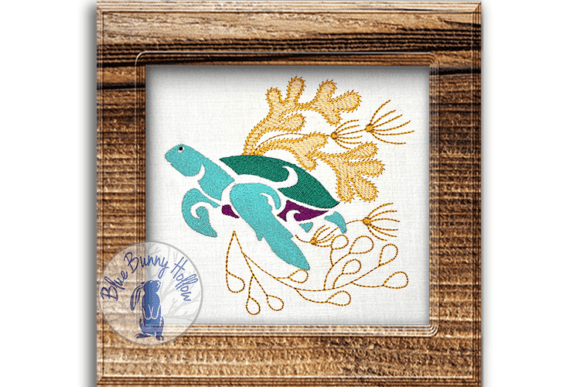
Opening Sea Turtle 6 feels like unrolling a quiet moment—no frantic swirls or forced whimsy. It’s a reptile design that breathes. The turtle’s curve is gentle but intentional; its flippers suggest motion without blurring into abstraction. There’s no overworked detail—no tiny scales crammed in where they’d vanish under thread, no fussy eyes that’ll stitch as muddy blobs. Instead, it leans into confident negative space and balanced proportions. That makes Sea Turtle 6 feel less like a clipart import and more like a design made *for* embroidery—not just *converted* for it. It belongs on a baby onesie as naturally as it does on a linen tea towel.
A Real Project Test: Custom Tote Bags for a Coastal Boutique
Last week, I prepped Sea Turtle 6 for a small-batch order of organic cotton tote bags—meant for a seaside boutique launching their summer collection. These weren’t one-offs; they’d hang front-and-center at checkout, priced at $48, with expectations of durability and visual polish. So I didn’t just load the file—I evaluated how Sea Turtle 6 would hold up *after* stitching, washing, and daily use.
The layout worked immediately: centered, horizontally oriented, with clean margins. No awkward tail extensions or cramped limbs fighting the hoop boundary. On medium-weight canvas, the satin stitch along the shell edge held crisp definition, while the fill stitch body stayed breathable—not dense enough to stiffen the fabric or crack after repeated folding. I ran a test on a scrap with tear-away + light cutaway stabilizer: zero puckering, minimal thread nesting on the back. That’s rare for a design this fluid.
Where Sea Turtle 6 Shines (and Where It Asks for Care)
Shines:
- Sweatshirt embroidery — Its moderate stitch density lets it sit smoothly over fleece without sinking or distorting.
- Baby embroidery — Soft curves and open shapes mean fewer sharp corners to irritate sensitive skin; perfect for bibs or swaddle blankets.
- Embroidered patch — Clean outer edges make it ideal for heat-applied or sewn-on patches on denim jackets or backpacks.
- Holiday embroidery — Paired with subtle seafoam or navy thread on cream linen, it reads as serene—not seasonal—making it timeless for coastal wedding gifts or teacher appreciation totes.
- Etsy seller asset — It photographs well in printable mockups, especially flat-lay shots showing texture contrast between thread and fabric.
Use with care:
- Thin or stretchy fabric — Like lightweight jersey or rayon challis. Without proper stabilizer, the graceful lines can wobble. Always pair with cutaway and reduce top tension slightly.
- Dark fabric backgrounds — The design relies on shape and contour more than high-contrast detail. If you’re using dark thread on black fabric, preview it in grayscale mockups first—it may read flatter than expected.
- Caps and curved surfaces — The horizontal flow works best on flat or gently contoured areas. Avoid placing it directly over the crown seam unless you’ve tested hooping stability.
- Small hoop sizes (under 4x4") — While scalable, shrinking Sea Turtle 6 too far risks losing its defining silhouette. Keep it above 3.5" wide for clarity.
What It Adds to Your Finished Product
Sea Turtle 6 doesn’t shout. It invites. That changes how customers engage with your handmade product. On a kitchen towel, it suggests calm intention—not craft-store clutter. On a personalized gift, it feels considered, not generic. For a craft business, that builds trust: buyers sense you chose a design that respects both fabric and wearer.
I’ve seen too many “cute turtle” files turn muddy on t-shirts because of overfilled shells or jagged outlines. Sea Turtle 6 avoids that. Its stitch density stays even, so thread doesn’t build up and pop after washes. That means fewer returns, fewer re-stitches, and more repeat Etsy buyers who remember your attention to detail.
It also supports brand consistency. Whether you’re selling nursery decor or surf-inspired apparel, Sea Turtle 6 adapts without diluting your voice. It’s not “theme-park turtle”—it’s quietly coastal, quietly refined.
Practical Designer Notes Before You Stitch
- Test Sea Turtle 6 on scrap fabric *first*—especially if pairing with textured weaves like burlap or looped terry.
- Check thread color contrast early. Try it in matte cotton on oatmeal linen vs. glossy poly on charcoal sweatshirt fabric. Light/dark reactions differ.
- Review stitch density visually—not just numerically. Dense fill areas should still allow fabric drape.
- Confirm hoop size compatibility. If your machine defaults to tight framing, double-check whether Sea Turtle 6’s bounding box fits comfortably within your standard hoop.
- Inspect small details at 200% zoom: flippers, eye shape, shell edge transitions. Are they clean? Or do they rely on optical illusion that won’t survive stitching?
- Test black-and-white mockups. If it loses character in monochrome, it may lack strong silhouette value for branding.
- Use appropriate stabilizer—tear-away for stable wovens, cutaway for knits or delicate items.
- Verify licensing before listing finished products or digital embroidery files for resale. Sea Turtle 6’s description doesn’t specify terms—so check directly with the source.
Final Thought: A Design That Respects the Craft
Sea Turtle 6 isn’t flashy—but then, the best embroidery designs rarely are. It’s the kind of machine embroidery design that makes your client pause mid-unboxing, run a finger over the shell, and say, “This feels *made*.” Not mass-produced. Not rushed. Not overdesigned. That’s the quiet power of restraint, balance, and real-world testing—and why Sea Turtle 6 earns space in my go-to folder for custom apparel, boutique merchandise, and heartfelt personalized gifts. It doesn’t just decorate fabric. It honors it.