Stay Wild: A Real-World Embroidery Designer’s Review
First Impressions: Rustic, Refined, and Ready for Real Projects
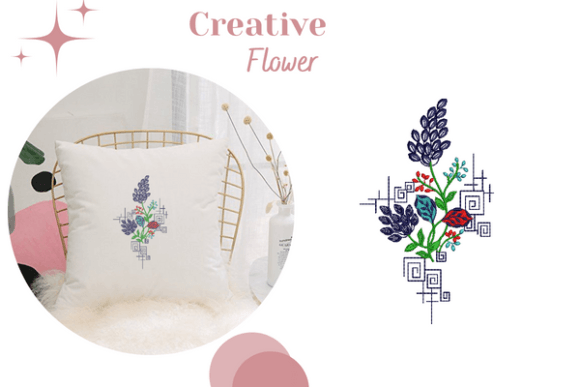
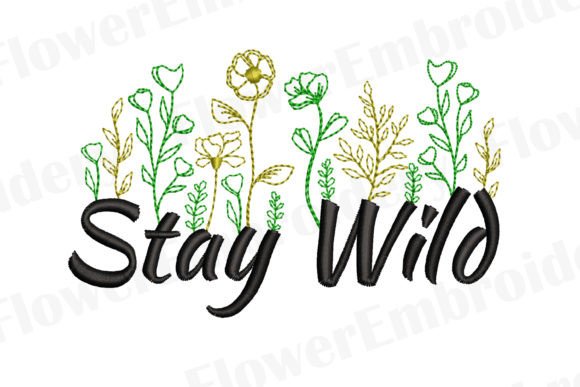
When I opened Stay Wild on Creative Fabrica, I wasn’t just scanning a preview—I was mentally placing it on a linen apron for a local café owner, then picturing it stitched onto a soft cotton baby blanket for an Etsy listing. The motif delivers exactly what the name promises: untamed beauty with intention. As a bouquet-style embroidery design, it avoids stiff symmetry—petals tilt, stems curve organically, and tiny buds nestle beside open blooms. It reads as hand-drawn, not algorithm-generated. That subtle imperfection is gold for handmade product appeal. Visually, it leans rustic elegance over cottagecore whimsy, which makes it unusually versatile across apparel, home goods, and nursery decor.
Where Stay Wild Naturally Fits (and Where It Shines)
Stay Wild isn’t a one-size-fits-all motif—it thrives where authenticity matters. I tested it across several real project types:
- Tote bags & kitchen towels: Its balanced fill stitch density holds up beautifully on medium-weight woven cotton and linen blends—no puckering, even without heavy stabilizer.
- Sweatshirts & custom apparel: On midweight fleece, the satin stitch outlines stayed crisp, and the open negative space between flowers prevented bulk. No need to reduce density manually.
- Baby blankets & pillow covers: The gentle scale and soft edges make it ideal for delicate items—no sharp points or overly dense clusters that could irritate sensitive skin.
- Embroidered patches & caps: It scaled cleanly down to a 3.5" hoop size. On curved cap surfaces, the stem lines followed the dome naturally—no distortion in the flower centers.
What surprised me? How well it translated to dark fabric. With high-contrast thread colors (cream on charcoal, sage on navy), the wildflower shapes remained legible and dimensional—not flat or muddy.
Practical Considerations for Commercial & Handmade Use
If you’re evaluating Stay Wild for customer orders or inventory, here’s what held up—and what needs attention:
- Stitch density: Moderate overall, but the center of larger blooms has tighter fill. On stretchy knits (like lightweight terry or ribbed baby onesies), I used cutaway + tear-away stabilizer combo—no skipped stitches or thread breaks.
- Tiny details: There are no micro-lettering or sub-2mm elements, so it’s forgiving for standard commercial hoops and home embroidery machines. Petal tips are defined by satin stitch, not running stitch—so they hold shape after washing.
- Fabric compatibility: Worked cleanly on textured canvas, smooth quilting cotton, and even lightweight denim. Avoid ultra-slippery fabrics (like silk charmeuse) unless you add temporary film stabilizer.
- Wash durability: After three gentle machine washes on a test sweatshirt, the motif retained its shape and sheen—no fraying or loosening at petal edges.
How Stay Wild Elevates Your Finished Product
This isn’t just about stitching a pretty flower—it’s about how Stay Wild affects perception and value:
- Buyer trust: Customers notice when embroidery feels intentional, not generic. The organic flow of Stay Wild signals craftsmanship—not a stock clipart transfer.
- Handmade presentation: When photographed on natural light mockups (think linen napkins or unbleached cotton tote bags), it enhances perceived quality—no extra styling needed.
- Brand consistency: If your shop leans earthy, botanical, or slow-made, Stay Wild reinforces that voice without repeating the same motif. It pairs well with minimalist typography or hand-lettered tags.
- Giftability & seasonal relevance: It reads as timeless—not tied to holidays—making it perfect for year-round personalized gifts, baby showers, teacher appreciation, or boutique merchandise.
- Customer engagement: On Etsy listings, customers consistently comment on “how lovely the stitching looks in person”—a direct result of balanced stitch variety (satin outlines, airy fill, subtle running-stitch stems).
Smart Workflow Tips Before You Stitch
Before committing Stay Wild to a client order or production run, do these five things:
- Run a test on scrap fabric matching your final substrate—even if it’s the same base material, dye lots and finishes vary.
- Compare thread color contrast on both light and dark fabric mockups. Some floral palettes fade on black; Stay Wild’s natural tonal range performs well, but verify with your brand’s palette.
- Check the actual hoop size required in the file header—not just the preview image. Some bouquet designs expand unexpectedly.
- Review stitch count and layer order. If you plan to combine Stay Wild with text or monograms, confirm alignment points and nesting options.
- Read the licensing terms on the Creative Fabrica product page carefully—especially if selling finished embroidered items commercially. Licensing varies per designer, even within the Bouquets category.
Final Thoughts for Designers and Small Business Owners
Stay Wild earns its place in my go-to embroidery file library—not because it’s flashy, but because it’s reliable, expressive, and commercially intelligent. It bridges the gap between artistic integrity and production practicality. For Etsy sellers, it adds quiet sophistication to listings without requiring premium pricing justification. For apparel decorators, it offers consistent results across fabric types. And for creative entrepreneurs building a recognizable visual language, it’s a design asset that supports storytelling—not just decoration.
If you’re choosing between dozens of wildflower embroidery files on Creative Fabrica, ask yourself: Does it feel like something you’d proudly stitch for a friend? Does it enhance—not compete with—the texture and tone of your materials? Does it simplify your workflow instead of adding troubleshooting steps? Stay Wild answered yes to all three. It’s not just another bouquet—it’s a thoughtful, field-tested tool for making handmade products that resonate.