Three-Eyed Halloween Monster
A Craft Fair Designer’s First Glance: Bold, Playful, and Instantly Recognizable
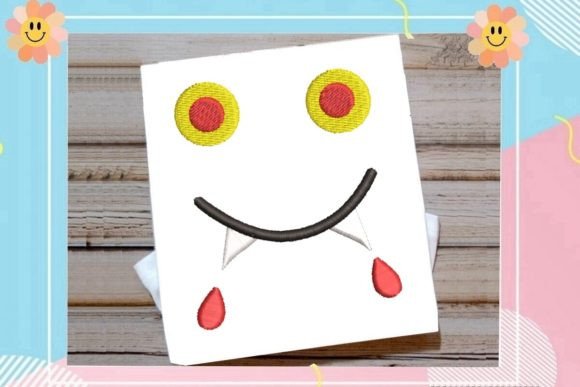
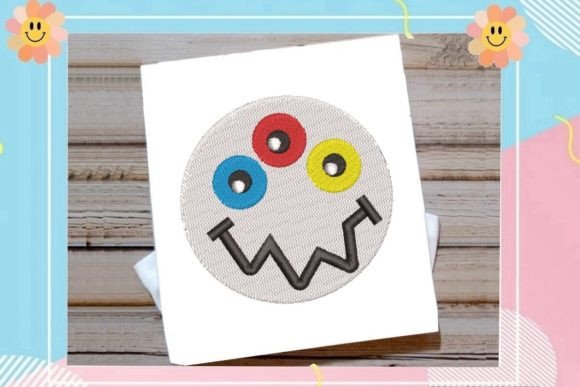
As an embroidery designer who’s prepped over 200 craft fair booths—and shipped thousands of embroidered handmade products—I’ll tell you straight: Three-Eyed Halloween Monster lands with a grin. Not the toothy, chaotic kind—but the clever, slightly mischievous smirk that makes shoppers pause mid-aisle. It’s not elegant or minimalist. It’s not rustic farmhouse or gothic luxe. It’s festive fun with eerie charm: bold enough to read from six feet away, playful enough to appeal to kids and adults alike, and just detailed enough to signal “handmade quality” without overwhelming the eye.
Where It Shines on Craft Fair Products
In my booth setup—tote bags front-and-center, aprons draped over a ladder shelf, tea towels folded beside embroidered patches—I test every design for visual hierarchy and tactile appeal. Here’s how Three-Eyed Halloween Monster performs across key categories:
- Tote bag design: Perfect as a large focal motif (centered or lower-quadrant). The three eyes create natural visual anchors; customers instantly “get it,” even while browsing quickly.
- Apron embroidery: Ideal on the pocket or chest panel. Its balanced face shape avoids distortion on curved seams, and the playful tone matches kitchen-ready whimsy.
- Tea towel embroidery: Works beautifully at medium scale (4–5 inches wide) on hems or corners. Avoid placing it directly over thick terry loops—test stitch density first.
- Embroidered patch: A top-tier candidate. Clean outlines, minimal fine detail, and strong silhouette mean it’ll hold up through iron-on application and repeated washing.
- Caps and fabric pouches: Use at smaller scale (2.5–3 inches) only if the machine embroidery design includes simplified eye details—otherwise, clarity suffers on curved surfaces or tight curves.
- Pillow covers and market bags: Excellent repeat potential. Pair two or three staggered Three-Eyed Halloween Monster motifs along a seam or hem for rhythm without clutter.
What Makes It Sell—And What Demands Extra Care
This isn’t just another Halloween embroidery file—it’s a customer-engagement tool. At craft fairs, people don’t buy stitches—they buy mood, memory, and handmade authenticity. Three-Eyed Halloween Monster delivers all three: it sparks smiles, invites conversation (“Wait—is that *three* eyes?!”), and reads as intentionally crafted—not mass-produced.
But practicality matters. As a working embroidery designer, I’ve seen promising designs falter in production. Here’s what to watch for with Three-Eyed Halloween Monster:
- Dense stitch areas: The pupils and inner eye details may pack high stitch density. On textured towels or heavy canvas, this can cause puckering—always pair with cutaway stabilizer.
- Small lettering or micro-details: The description mentions “eerie details,” but unless explicitly confirmed in your embroidery file, assume subtle shading or eyelash lines won’t resolve cleanly under 3 inches. When in doubt, simplify.
- Dark fabric contrast: This design relies on expressive eyes and contour. On black or navy fabric, use bright thread colors (neon orange, lime green, stark white) to preserve readability.
- Hoop size & fabric stretch: Confirm your hoop size before digitizing for caps or pouches. A design that fits perfectly in a 5x7 hoop may warp on a curved cap surface without proper hooping technique and stabilizer support.
Photography, Listings, and Digital Appeal
If you’re an Etsy seller or digital embroidery file creator, Three-Eyed Halloween Monster is highly photogenic—especially when styled with complementary Halloween palettes (mustard, plum, charcoal, cream). Its strong silhouette translates well to printable mockups and social thumbnails. Unlike overly intricate motifs, it doesn’t blur or pixelate at small sizes, making it ideal for listing banners, email headers, and Instagram story highlights.
For commercial embroidery sellers: this design feels repeatable. You can produce consistent batches across tote bags, patches, and pillow covers without sacrificing perceived value. Customers recognize the motif across product types—strengthening brand consistency for your small shop product line.
Designer Notes You Can’t Skip
Before cutting fabric or loading your embroidery machine, do these five things:
- Test the Three-Eyed Halloween Monster machine embroidery design on scrap fabric matching your final product—same weight, same texture, same dye lot.
- Check thread contrast across at least three fabric colors (light, medium, dark) to confirm visibility of key features like pupils and mouth curve.
- Review spacing between eyes and brows—tight gaps may fill in on low-thread-count cottons or shrink during washing.
- Inspect stitch density in the eye sockets and mouth area. If your embroidery file shows overlapping satin columns or excessive underlay, consider lightening density for softer fabrics.
- Use appropriate stabilizer: tear-away for smooth cottons, cutaway for knits or textured tea towels, and no-show mesh for lightweight caps.
Finally—confirm commercial licensing terms before selling finished products. Many digital embroidery file creators restrict use on items sold wholesale or via third-party platforms. When in doubt, reach out directly. Protect your small business, your reputation, and your craft fair ROI.
Final Thought: Why This Belongs in Your Halloween Lineup
Three-Eyed Halloween Monster isn’t just seasonal decoration—it’s a versatile, emotionally resonant craft fair product that bridges playfulness and craftsmanship. It adds handmade quality to everyday items without looking costumed or gimmicky. In a sea of pumpkins and bats, it stands out—not because it’s louder, but because it’s more human: curious, quirky, and unmistakably alive. For Etsy sellers, boutique makers, and embroidery business owners building a cohesive Halloween collection, this machine embroidery design earns its spot—not as filler, but as a signature piece.